A great trailer can sell a film in under three minutes. Long before audiences see a finished movie, a specialized team builds that first impression from scratch. This article traces how a trailer comes together. It follows the process from combing through raw footage to locking a final cut ready for release.
Most audiences never think about who actually makes a trailer, assuming it simply gets pulled from the finished film. In reality, an entire specialized industry exists solely to craft these previews, employing editors, sound designers, and marketing strategists who rarely work on the film itself.
Why the Trailer Comes Before the Final Film
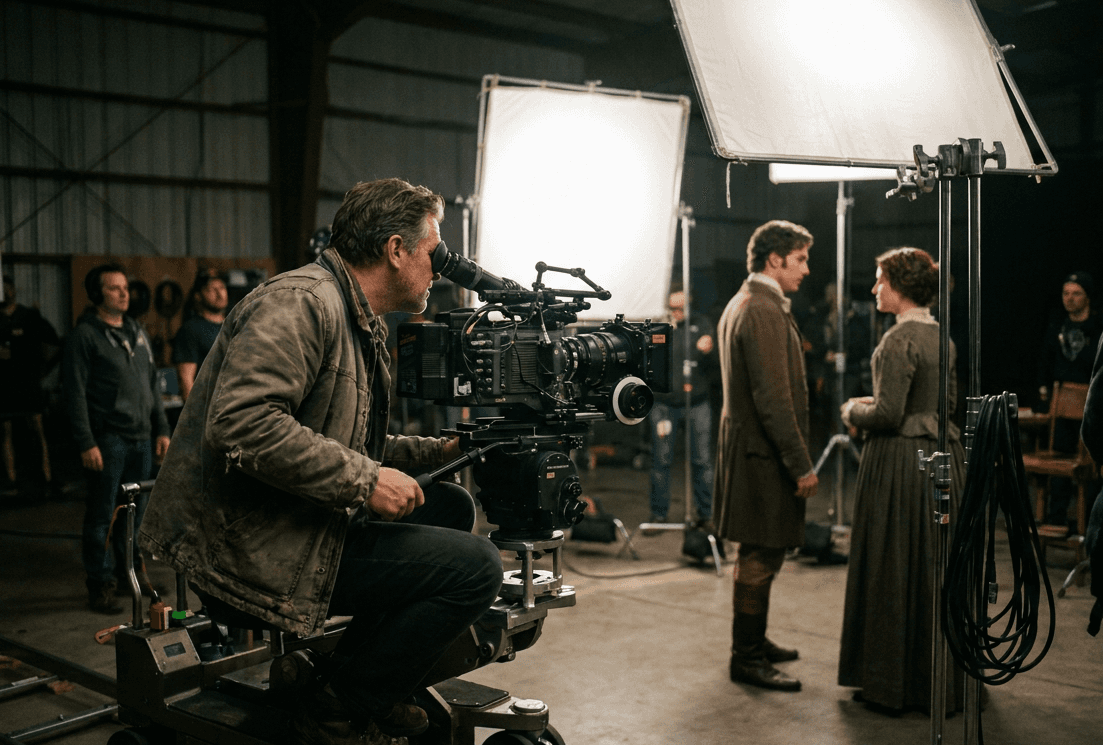
A trailer often goes into production before a film finishes editing. Studios need marketing materials months ahead of release. Trailer editors frequently work from early cuts, dailies, or even unfinished visual effects.
This timeline creates real challenges. A trailer editor might build an entire sequence around a scene the director later cuts from the finished film. Coordination between marketing and production teams becomes essential to avoid these mismatches.
Marketing deadlines drive much of this urgency. A studio typically wants its first trailer ready months before release. Teams often time that release to a major awards show or a competitor's own announcement.
Reshoots sometimes happen specifically to capture footage a trailer needs, even when the finished film never uses that same material at all.
These specialized shoots remain relatively rare, since they add cost to an already expensive production. Studios reserve them for their highest-priority franchise releases, where marketing impact justifies the additional expense.
Combing Through Raw Footage
Trailer editors start by reviewing hours of raw footage. This often happens before a director has finished assembling the full film. This footage includes multiple takes, alternate angles, and scenes that may never appear in the final movie.
Editors search for moments with strong visual or emotional impact, regardless of their place in the actual story. A single striking shot might work well in a trailer, even if it lasts only a second in the finished film.
This process demands a different eye than traditional film editing. A trailer editor thinks in terms of impact and momentum, not narrative continuity. Shots often get pulled wildly out of their original sequence.
Some trailer houses even request footage the director considers unusable, since a shaky or imperfect shot can still carry real emotional weight in a fast-paced trailer cut.
This creates an unusual professional relationship. Directors sometimes feel protective of footage they consider a mistake, while trailer editors see genuine creative potential in exactly that same raw material.
The Trailer Editor's Toolkit
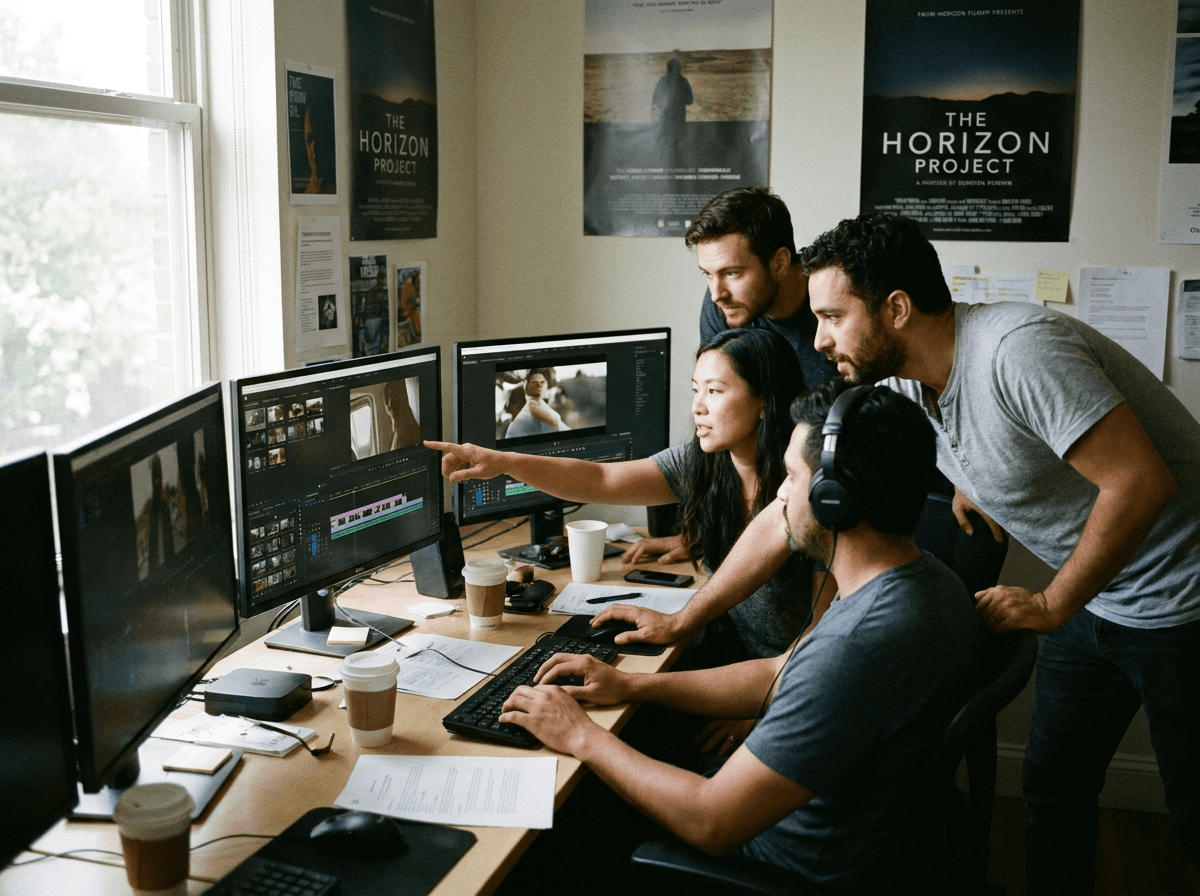
Modern trailer houses use specialized software separate from a film's primary editing system. This separation lets trailer teams work independently. They avoid disrupting the director's ongoing edit of the actual movie.
Pacing tools help editors experiment quickly. A trailer often goes through dozens of internal cuts. Few of these ever reach anyone outside the marketing team.
Temp music plays a critical role early on. Editors frequently borrow music from other films or trailers to test rhythm and emotional tone. Composers create anything original only later, closer to the actual release.
Collaboration software now lets teams across different cities review a trailer cut simultaneously, speeding up approval from studio executives who rarely sit in the same room together.
Version control has become essential in this workflow. A single trailer project can accumulate dozens of file versions within days, each reflecting small adjustments requested by different stakeholders throughout the approval process.
Music and Sound Design in a Trailer
Sound design shapes a trailer as much as the visuals themselves. A single bass hit or a well-timed silence can transform an ordinary clip into something genuinely memorable.
More often, trailer editors license existing tracks from trailer-music libraries — stock cues reused across many different films' marketing campaigns — rather than commissioning something original for a single trailer. This trailer-specific music may never appear in the finished film. It exists purely to sell an emotional tone in under two minutes.
Voice-over narration, once a trailer staple, has become less common in modern marketing. Many studios now prefer on-screen dialogue and music alone. This choice trusts visuals to carry the emotional weight instead.
Sound mixers also spend considerable time balancing dialogue against music, since a trailer played in a crowded theater lobby needs different mixing than one streamed quietly at home.
Licensing existing songs adds another layer of negotiation entirely. A popular track can transform a trailer's cultural impact instantly, but securing those rights often requires separate deals negotiated well before a marketing deadline arrives.
Testing a Trailer Before Release
Before release, studios often test a trailer with sample audiences. These sessions gather feedback on pacing, clarity, and overall excitement. This data can prompt significant changes before the public ever sees a single frame.
Test audiences sometimes reveal confusing plot points or unclear character relationships. Editors then adjust shot selection or add brief clarifying text to address these concerns quickly.
Social media reactions to early trailers now also shape ongoing marketing strategy. A studio might hold back certain footage for a later release based purely on early online chatter.
Analytics tools track exactly where viewers stop watching a trailer online, giving editors precise data about which moments genuinely hold attention and which ones cause audiences to click away entirely.
The Many Versions of a Single Trailer
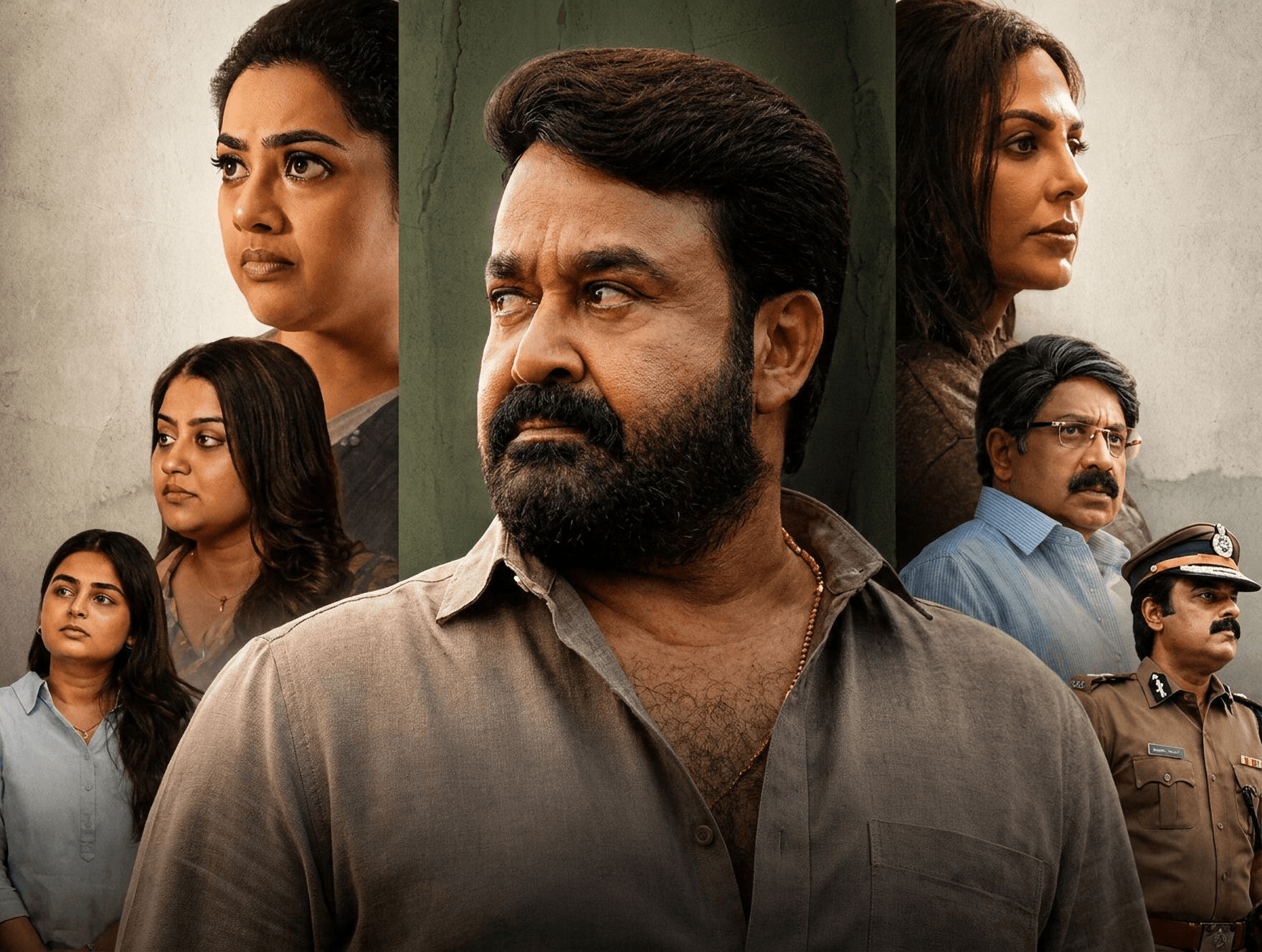
A single film typically generates several different trailers throughout its marketing campaign. Teaser trailers arrive first. They often withhold plot details entirely in favor of tone and anticipation.
Full trailers follow later, revealing more story and character information. These longer cuts balance excitement against the risk of giving away too much of the actual film's plot.
International markets frequently receive their own customized trailer versions. These get adjusted for cultural context, censorship rules, or which actors carry stronger local recognition.
Regional trailer houses sometimes reorder scenes entirely to emphasize a supporting actor who happens to be a bigger star in that particular market, even if that same actor plays a minor role in the finished film.
How Studios Decide What a Trailer Reveals
Studios walk a delicate line between excitement and spoilers. A trailer that reveals too much can undermine the finished film's impact. One that reveals too little risks confusing potential audiences instead.
Marketing executives and filmmakers often disagree here. Directors frequently want a trailer that protects surprises. Marketing teams, meanwhile, push for whatever footage tests best with audiences, regardless of spoiler concerns.
This tension rarely gets fully resolved, and the final trailer often represents a genuine compromise between artistic protection and commercial persuasion.
Legal and ratings considerations add yet another constraint. Certain footage might require trimming to secure an appropriate trailer rating, separate entirely from whatever rating the finished film eventually receives.
Conclusion
A finished trailer represents dozens of creative decisions compressed into just a few minutes of footage. From sorting raw material to fine-tuning sound design, every choice aims to create anticipation without giving away too much. The next time a trailer sends chills down your spine, remember the entire specialized industry working behind that brief, carefully engineered preview. That short clip took months of work, testing, and revision before ever reaching a single screen.