
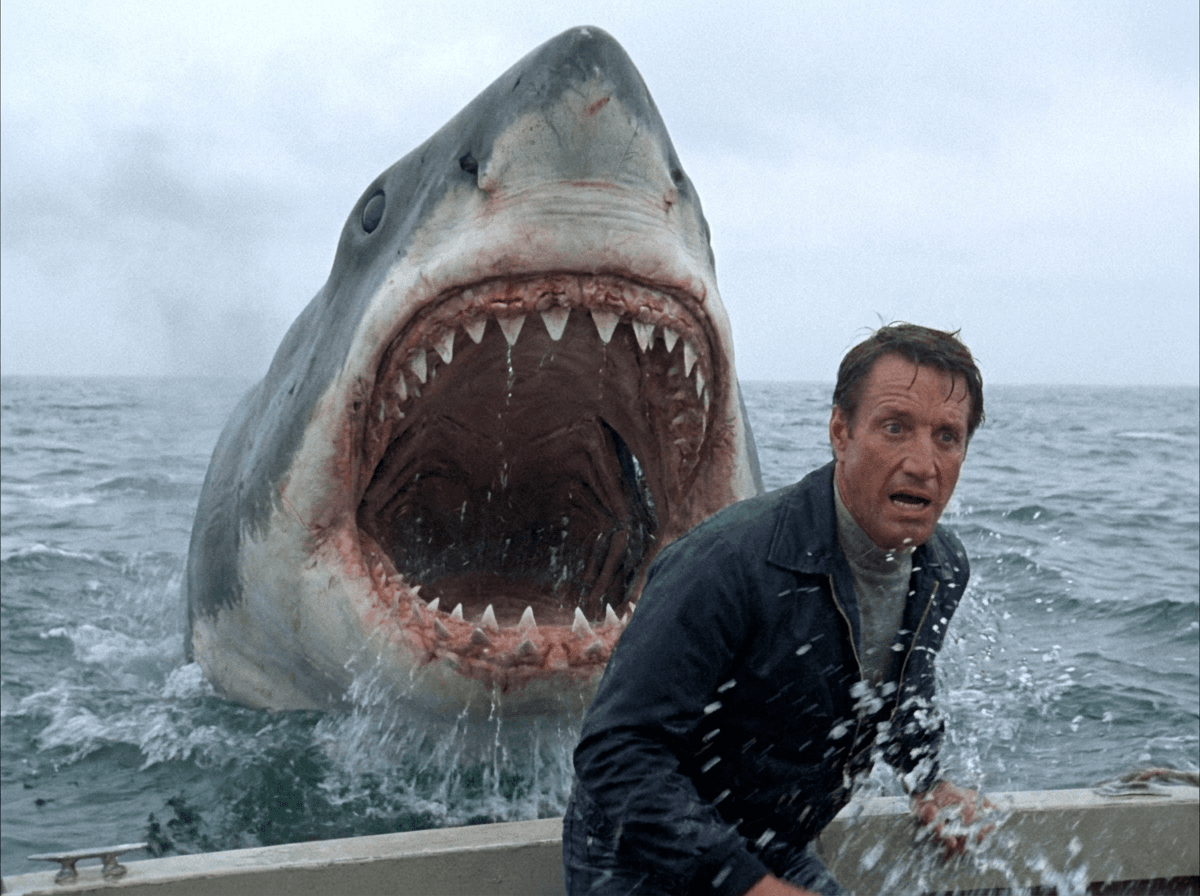
Few films get credit for reshaping an entire industry, yet Steven Spielberg's 1975 thriller earns that distinction easily. This movie changed its genre so completely that the term "summer blockbuster" barely existed before its release. Jaws did not simply scare audiences with a mechanical shark. It rewrote the rules for how a movie gets made. It also changed how a movie gets marketed and released, and Hollywood has followed that blueprint ever since.
The State of the Thriller Genre Before Jaws
Before 1975, the thriller genre followed a fairly predictable release pattern. Studios treated summer as a dumping ground for weaker films. Audiences supposedly preferred air-conditioned theaters over serious viewing during those months. Prestige movies opened in autumn instead, aiming for awards season attention months later.
Horror and suspense films existed, but they rarely commanded wide release or major studio budgets. Many genre pictures played in limited theaters, slowly building an audience over weeks rather than opening everywhere at once. A movie's success depended heavily on steady word of mouth rather than an explosive opening weekend.
Universal Pictures took a considerable risk with Jaws. The film was based on Peter Benchley's novel about a killer shark terrorizing a New England town. The production ran famously over budget and behind schedule, partly because the mechanical shark malfunctioned constantly during filming. Nobody involved expected this movie to redefine an entire genre before it even reached theaters.
Spielberg later said the shark’s frequent failures forced him toward suggestion rather than direct display: “I had no choice but to figure out how to tell the story without the shark,” he said. He built dread through sound and framing instead of showing the creature outright. That creative constraint, born from technical disaster, ended up defining the film's most memorable sequences. It reshaped suspense filmmaking within its own genre for decades afterward, proving that limitation can sometimes sharpen a movie rather than weaken it.
How Jaws Changed the Genre Through Marketing and Release Strategy
Universal's marketing team made a genre-defining decision. Instead of a slow rollout, the studio opened Jaws in 409 theaters simultaneously. This was an unusually wide release for the period. Heavy television advertising ran in the weeks before release, a tactic rarely used at this scale before.
This distribution shift proved genuinely revolutionary. Rather than letting reviews and word of mouth build gradually, Universal created immediate, widespread demand on opening weekend. Audiences everywhere could see the same movie at the same time. That shift reshaped how every future blockbuster would launch.
The results validated this new genre strategy completely. Jaws earned back its production costs within days. It became the highest-grossing film of its era. Every major studio noticed, and the summer release calendar changed permanently as a direct result.
This movie also proved that genre pictures, previously considered lesser productions, could generate prestige-level box office numbers. Horror and thriller stories no longer needed to hide in art house theaters or limited engagements. A well-crafted genre film could dominate the mainstream conversation just as effectively as any serious drama, a lesson studios have applied to countless movies since.
Critics at the time were divided on whether this counted as a serious achievement or simply clever marketing. Decades later, that debate has largely settled. Film historians now treat the release strategy behind Jaws as a turning point equal in importance to anything happening on screen.
The Ripple Effects Across Hollywood
Once studios saw what Jaws accomplished, imitation followed almost immediately. "Star Wars" arrived just two years later. It adopted a similar wide-release strategy and turned summer into the industry's most valuable season. That movie, alongside Jaws, cemented an entirely new genre expectation for blockbuster filmmaking.
Studios began building entire release calendars around big summer openings. The season became the most valuable stretch on the annual schedule rather than a dead zone for prestige projects. Marketing budgets grew accordingly, often rivaling production costs themselves within a few years.
This shift changed how movies got financed too. Studios increasingly favored high-concept premises that translated easily into a single striking image for a poster or trailer. A giant shark, a spaceship battle, or a haunted house could be sold in seconds, unlike a slower character study. Every studio wanted its own example of a movie that could replicate this formula.
Sequels became a natural extension of this genre change as well. If one movie could generate massive opening weekend numbers, a sequel offered a nearly guaranteed audience. That logic still drives franchise filmmaking decades later. It traces a direct line back to a single shark movie that changed everything about how Hollywood plans its calendar.
Merchandising followed the same pattern soon after. Toys, soundtracks, and tie-in products became standard companions to any major summer release, adding another revenue stream that studios had barely explored before Jaws proved audiences would show up in droves for a well-marketed spectacle.
Why This Genre Shift Still Shapes Cinema Today
Modern blockbusters still follow the release pattern Jaws established. Every major franchise movie opens wide. Each one floods television and social media with advance marketing. Every studio aims for a massive opening weekend rather than gradual growth through reviews.
The genre itself expanded well beyond thrillers. Superhero movies, disaster movies, and action franchises all borrow the same playbook that Jaws pioneered decades earlier. Spectacle, simple premises, and aggressive release strategy remain the core formula behind nearly every major movie released each summer.
Streaming has complicated this model somewhat, since new platforms compete for attention differently than traditional theatrical windows once did. Yet even streaming giants borrow language from this same tradition. They market their biggest titles as must-see events rather than quiet releases.
Few single movies changed an entire industry as thoroughly as Jaws did in the summer of 1975. Its influence over marketing, scheduling, and genre expectations remains visible in nearly every major release calendar decades later, and every new movie chasing a big opening weekend owes something to that original shark story.
International markets eventually adopted this same release philosophy too. Simultaneous worldwide openings, once rare, became standard practice for any movie hoping to compete for global attention. Piracy concerns later reinforced this trend further, since studios preferred releasing everywhere at once rather than risking leaked copies undermining a staggered rollout.
Critics occasionally argue that this approach has narrowed creative risk-taking, since studios now favor safe, familiar concepts over original stories. That tension between commercial reliability and artistic ambition remains one of the more debated legacies of the strategy Jaws helped establish nearly five decades ago.
Conclusion
Jaws proves that a single movie can genuinely reshape an entire genre, not just through storytelling but through business strategy. The film demonstrated that a genre picture, marketed aggressively and released widely, could dominate the cultural conversation and the box office at the same time. That lesson permanently changed how Hollywood approaches its biggest releases every summer. Few films manage to leave a mark on both artistic technique and industry structure simultaneously, yet Jaws did both without apparent effort.
Nearly fifty years later, every blockbuster season still carries the fingerprints of one mechanical shark and the movie built around it, a reminder that even a troubled production can leave a lasting legacy.