Few genres provoke as strong a physical reaction as horror. A racing heart, sweaty palms, and an involuntary flinch all happen before conscious thought catches up. This article explores the psychology behind why horror movies affect us so deeply. It also examines what filmmakers understand about fear that keeps audiences coming back for more.
Why Our Brains Respond So Strongly to Horror
Scientists have spent decades studying this reaction, and their findings reveal something surprising. Fear during a film behaves almost identically to fear in real life at the level of brain chemistry. This happens even though viewers know perfectly well that nothing they are watching can actually hurt them. That contradiction sits at the center of why a good scary movie feels so compelling.
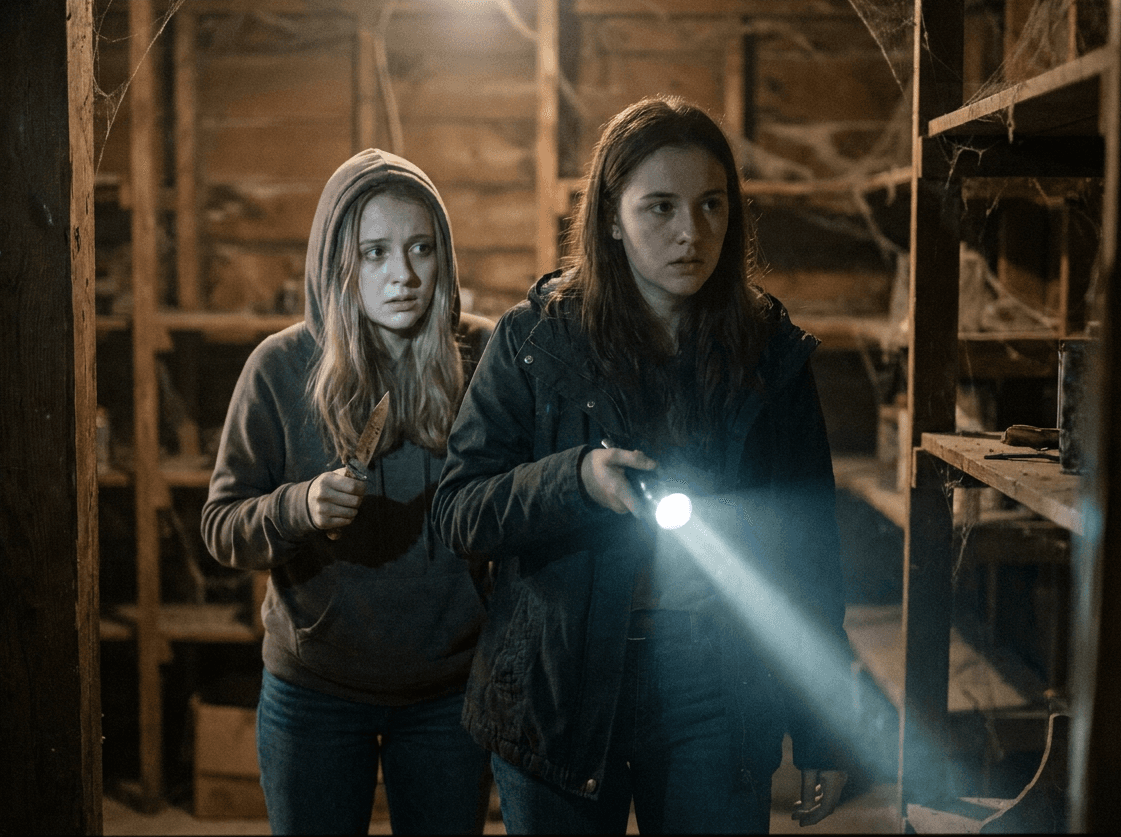
The brain does not fully distinguish between real, actual danger and a convincing depiction of danger. When a character opens a creaking door in a dark hallway, the amygdala fires much the same way it would during an actual threat. This response happens automatically. It occurs well before rational thought intervenes.
Adrenaline and cortisol flood the body during a tense scene. Muscles prepare for fight or flight even though nothing physical is actually happening. Once the moment passes and the threat proves fictional, the brain interprets that safe resolution as a rewarding experience. This rapid shift from danger to safety is part of what makes a horror movie feel enjoyable rather than simply distressing.
Fear Is Really About Anticipation
The scariest part of most horror movies isn't the monster. It's the hallway before the monster shows up. Our brains are wired to react far more intensely to uncertainty than to the thing we're uncertain about. Once the creature is fully revealed, fear tends to drop, because now it's a known problem with knowable edges. Filmmakers who understand this spend most of their runtime in the hallway, not the reveal.
This is why so many effective horror films are stingy with their monsters. A director will show a shadow, a sound, a door left slightly ajar, and let the audience's imagination do the heavy lifting. The mind, left to fill in gaps, almost always invents something worse than what a costume department could build. Classic haunted-house pictures understood this instinctively, keeping their threats mostly unseen for long stretches at a time.
The Techniques Filmmakers Use to Build Dread
Sound design does much of the heavy lifting in most successful horror movies. Low-frequency rumbles, sudden silence, and discordant strings all manipulate emotional state without a single visual cue. Many filmmakers argue that audio frightens audiences more effectively than anything shown directly on screen.
Pacing matters just as much as any individual scare. A well-constructed horror film alternates between quiet, character-driven scenes and bursts of intense action. This rhythm gives audiences time to recover before the next surge of tension. Constant intensity without rest actually reduces fear over time, since the nervous system adapts and eventually grows numb to repeated stimulation.
Visual restraint often proves more effective than graphic imagery. Suggesting a threat through shadow, partial framing, or a character's terrified reaction frequently disturbs viewers more than a fully revealed monster ever could. The imagination tends to generate something worse than anything a special effects team can construct.
Practical effects and careful camera work also shape how believable a frightening scene feels. Shaky, handheld footage can suggest chaos and vulnerability. A static, wide shot can create dread instead, by showing audiences too much empty space where something might be hiding. Both choices manipulate perception deliberately, and both require real technical skill to execute convincingly.
Why We Actually Enjoy Being Scared
Given how uncomfortable fear can feel, it seems counterintuitive that horror remains such a popular genre. Researchers describe this appeal partly through the concept of benign masochism, where people seek out unpleasant sensations specifically because they know the danger is not real.
Social bonding also plays a meaningful role in horror's popularity. Watching a frightening film with friends or a partner creates a shared physiological experience. This often strengthens emotional connection through synchronized arousal and relief. Many people specifically choose this genre as a bonding activity for exactly this reason.
Horror also offers a rare, safe outlet for confronting mortality and loss of control, themes that everyday life rarely allows people to process directly. Watching characters face and sometimes survive extreme situations can feel oddly reassuring. It offers a controlled rehearsal for real anxieties without any actual risk involved, a kind of practice run for facing genuine fear later on.
Personality also predicts who seeks out this experience most eagerly. Sensation-seekers, who crave novel and intense stimulation generally, tend to report the strongest enjoyment from frightening films, while people with lower thresholds for arousal often avoid the genre entirely and prefer calmer entertainment instead.
The Takeaway for Horror Fans
Horror movies work because they exploit genuine, deeply wired psychological responses rather than relying on cheap tricks alone.
Next time you sit down with a horror movie, pay attention to what's actually working on you. Is it the music, the silence, the thing you never quite see? Chances are, the moments that stick with you longest weren't the loudest ones. They were the quiet, patient ones that let your own imagination do the scaring.