
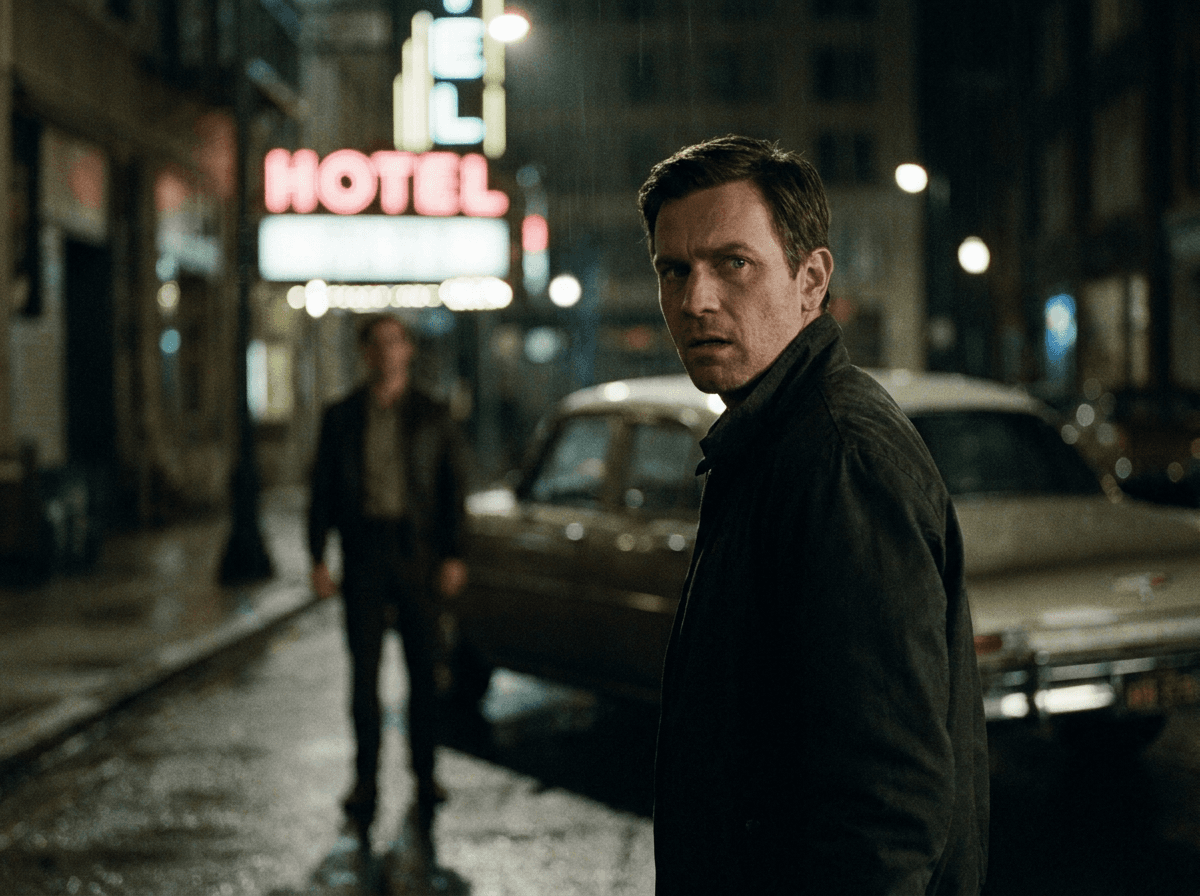
Few genres demand as much precision as the thriller. A single slow scene can deflate an otherwise gripping story, while one clumsy twist can break an audience's trust entirely. This article examines what separates a forgettable thriller from a story that keeps viewers gripped until the final frame. It focuses on three essential elements: pacing, tension, and misdirection, and why so few writers manage to balance all three consistently well.
Pacing
Pacing controls how quickly information, danger, and emotional stakes reach an audience. A well-paced thriller never rushes past character development. Yet it also never lingers so long that momentum stalls. That balance is remarkably difficult to achieve consistently across an entire film or novel.
Editors and writers often describe pacing as breathing. Tense scenes need quieter moments afterward. Audiences need space to process what just happened before the next surge of danger arrives. Without these breathing points, constant intensity actually numbs viewers rather than exciting them.
Structure plays a major, central role here too. Many successful stories in this genre front-load a disturbing event. They slowly reveal context and consequences rather than explaining everything immediately. This technique keeps audiences leaning forward, searching for answers the story deliberately withholds.
Dramatic Irony and Tension
Tension separates this genre from a simple mystery or drama. It requires the audience to feel that something significant hangs in the balance. That stake might be physical danger, a hidden truth, or a character's psychological unraveling.
Dramatic irony often generates suspense more effectively than surprise alone. When an audience knows something a character does not, every scene carries additional weight. Viewers anticipate consequences the character cannot yet see coming. Alfred Hitchcock famously described this technique through a simple example: showing a bomb under a table before it explodes, rather than after.
Sound and silence both manipulate tension deliberately. A ticking clock, an unanswered phone call, or complete silence before a confrontation all heighten anticipation. None of these techniques require a single line of dialogue. They work because they engage the body's stress response directly, bypassing rational analysis entirely.
Restraint
Restraint matters just as much as escalation. Revealing too much too quickly collapses tension immediately. Withholding information indefinitely frustrates an audience instead of gripping them. Skilled writers calibrate exactly how much an audience needs to know at each stage of the story.
Psychological pressure often proves more effective than physical threat alone. A character's crumbling certainty about who to trust can feel deeply unsettling. Growing doubt about their own perception can feel more unsettling still than any external danger the plot introduces.
Pacing and tension reinforce each other constantly throughout a well-built story. Rushing past a tense moment wastes the setup. Dragging it out too long can drain the very anxiety a writer worked hard to build.
Misdirection
Misdirection separates a genuinely surprising story from one that simply withholds information unfairly. The best twists feel inevitable in hindsight. They are built on details the audience noticed but did not correctly interpret at the time.
Chekhov's gun applies directly here. Every clue planted early in a story should matter later, even if audiences initially dismiss it as incidental detail. A twist that emerges from nowhere, without any earlier groundwork, tends to feel like a cheat rather than clever craftsmanship.
Reliable narrators and trustworthy framing devices can mislead audiences just as effectively as an unreliable one. A writer can present information through a limited perspective without any character actually lying. That framing still allows a writer to control what audiences assume is true.
An Interconnected System, Not Separate Ingredients
No single element carries a story alone. Pacing determines when tension builds and releases. Misdirection depends entirely on careful pacing to plant clues without drawing premature attention. These elements function as an interconnected system rather than separate ingredients.
Cinema offers particular tools that novels cannot replicate directly. Editing rhythm, score, and camera placement all reinforce pacing and tension simultaneously. These tools give directors precise control over how quickly audiences receive each piece of information.
Some of the most acclaimed thrillers succeed specifically because they integrate all three elements seamlessly. A film that nails misdirection but fumbles pacing still frustrates audiences. Flawless tension without a satisfying resolution eventually feels hollow too.
Conclusion
A great thriller depends on far more than a shocking premise or a fast-moving plot. Pacing controls rhythm, tension keeps audiences emotionally invested, and misdirection rewards careful attention without insulting the audience's intelligence. When these elements work together, a story becomes something audiences remember and revisit, discovering new details each time.
Mastering this balance remains difficult, which explains why so few entries in this genre truly earn a place among its finest examples. The genre rewards patience and precision far more than shock value, and that discipline is exactly what separates a passing distraction from a story people still discuss decades later.